How Often Should You Get Auto Repairs?
Taking care of your ride can sometimes feel like a guessing game, especially when it comes to deciding how often to head to the shop. Cars are complex machines with lots of moving parts, and knowing when to schedule a checkup keeps your daily drive smooth and stress-free. Regular professional attention simply makes it easy to keep your vehicle running at its absolute best.
Tracking Mileage Milestones Consistently
Every single mile you drive puts your vehicle through a lot of regular wear and tear. Most manufacturers build a handy maintenance schedule right into your owner's manual, usually breaking things down by major milestones like thirty thousand, sixty thousand, and ninety thousand miles. During these big checkpoints, mechanics perform essential auto repairs and system flushes to prevent minor component wear from turning into a massive headache down the road.
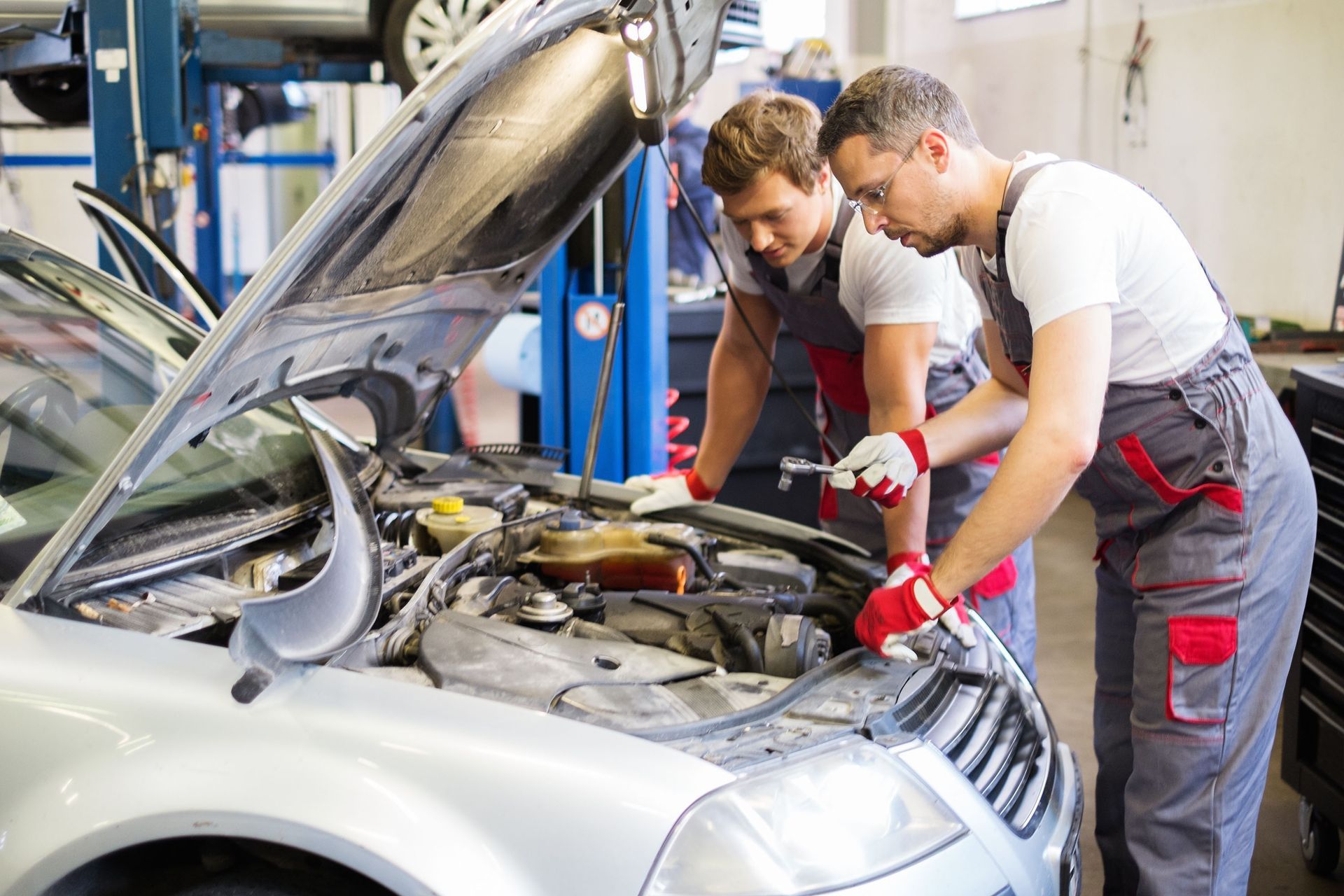
When you hit these milestones, a professional team looks at components that you normally cannot see from your driver's seat. They check things like timing belts, fluid levels, and transmission health to verify that everything functions exactly the way it should. According to Global Market Insights, the auto repair market is projected to expand to 10.5% by 2032. This industry growth clearly reflects how much modern drivers depend on expert diagnostic skills to handle increasingly complex automotive technologies.
Planning for these mileage checkpoints ahead of time takes away the surprise factor of vehicle maintenance. Instead of waiting for something to stop working, you are actively choosing to take care of your investment before a breakdown happens on the highway. Think of it like going to the dentist for a regular cleaning, so you do not end up needing a major root canal later.
Listening To Vehicle Warning Signals Immediately
Your car is actually pretty great at communicating with you when it needs a little extra attention. Dashboard warning lights, strange new noises, or an unusual shudder when you step on the brakes are all clear signs that it is time to seek professional care. Ignoring a flashing check engine light or a high-pitched squeal from your wheels usually leads to much larger, more expensive auto repairs that could have been easily avoided with early intervention.
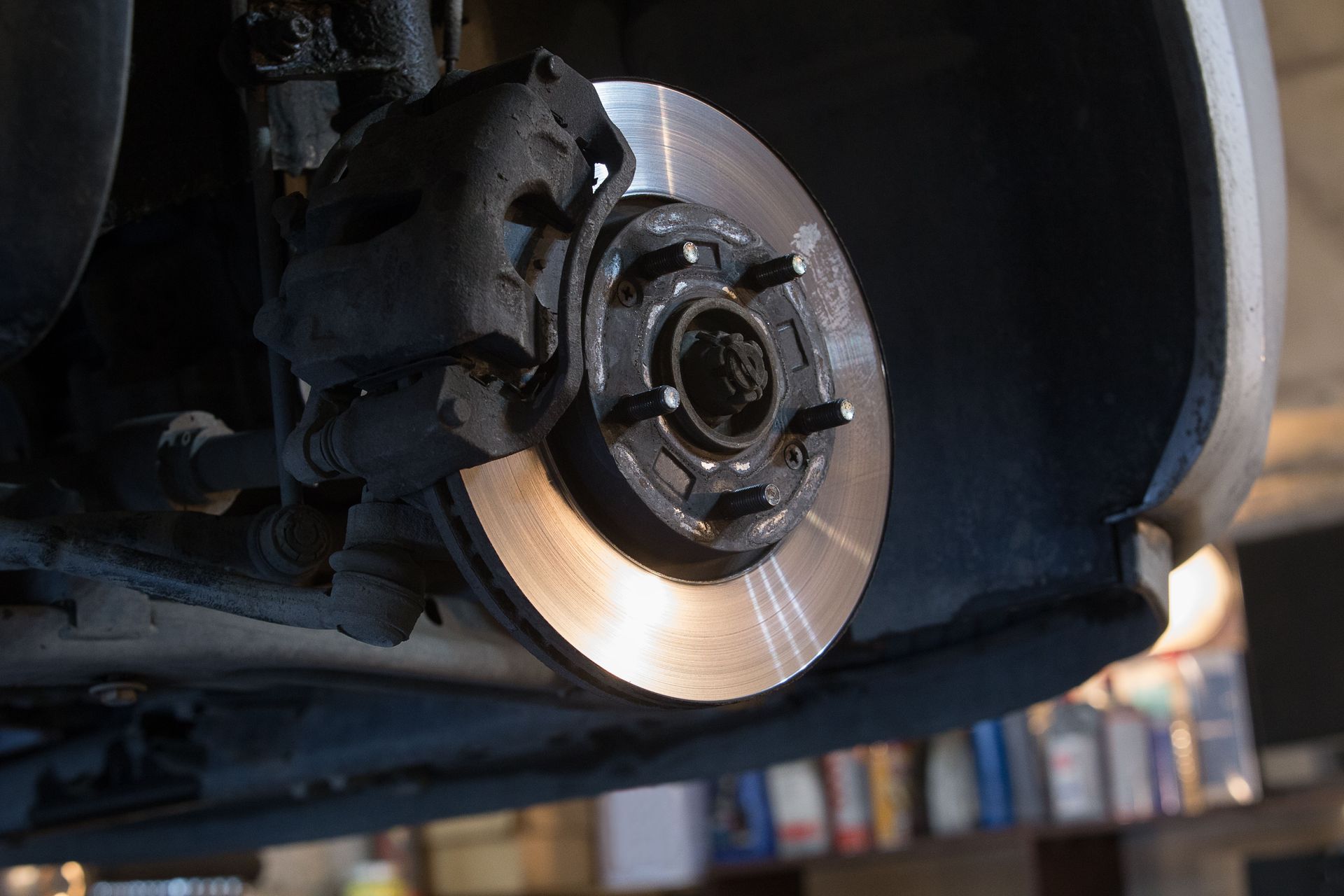
Strange sounds are often the very first indicator that a specific component is wearing out under the hood. A low rumbling sound might mean a wheel bearing is going bad, while a harsh grinding noise during braking typically indicates that your brake pads are completely worn away. Experienced technicians use advanced computer scanning tools to pin down the exact source of these noises before they cause permanent damage. Letting an expert diagnose these signals quickly prevents small mechanical issues from cascading into severe engine or transmission damage.
Pay close attention to how your steering wheel feels and how your vehicle handles during your daily commute. If the car starts pulling hard to one side of the lane, or if the brake pedal feels soft and spongy when you press down, your vehicle is telling you it needs professional service. These warning signs affect your overall ride quality and how safely the vehicle handles unexpected situations on the road.
Following Seasonal Maintenance Routines Regularly
Weather changes put a unique kind of stress on your vehicle, meaning your maintenance needs shift as the seasons transition throughout the year. Freezing winter temperatures can drain your battery strength and thicken your engine fluids, while blistering summer heat tests your cooling system to its absolute limits. Scheduling professional service at the start of spring and autumn allows technicians to prepare your car for the specific challenges of the upcoming weather.
During a spring checkup, technicians focus heavily on undoing the harsh effects of winter weather and road salt. They inspect your suspension, check your tire pressure, and look over your windshield wipers to make sure you can see clearly through heavy spring rainstorms. Scheduling these seasonal tune-ups helps prevent the need for unexpected seasonal auto repairs right in the middle of extreme weather shifts. When autumn rolls around, the focus shifts to testing your heating system, checking antifreeze levels, and verifying that your battery holds a full charge before the first freeze hits.
Taking your car in for these seasonal updates also gives professionals a regular opportunity to look over your tires and alignment. Proper tire tread and correct alignment are essential for gripping wet or icy roads safely, and they also help you get the absolute best gas mileage possible. Regular seasonal attention keeps your car resilient and adaptable all year long.
Practicing Preventative Component Upkeep Schedule
Waiting for a part to break completely before replacing it is a stressful and risky way to manage your vehicle. A great preventative schedule focuses on swapping out wearable items like filters, belts, spark plugs, and hoses before they actually fail on you. Professionals can track the age and condition of these various components during your routine oil changes and recommend timely auto repairs to keep the system whole.
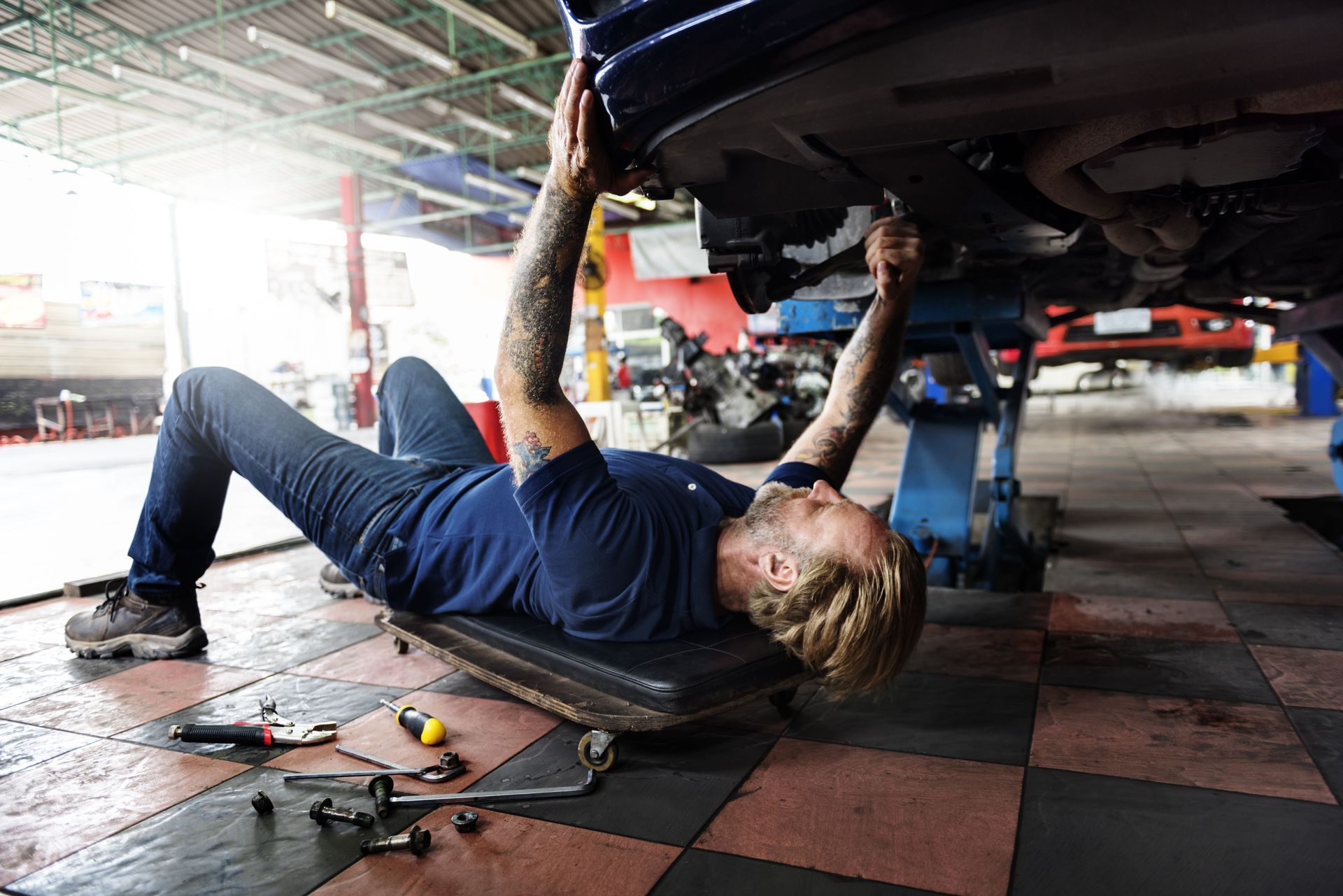
Every time you get your oil changed, ask the technician to perform a quick visual inspection of your engine bay. They can spot small cracks in your serpentine belt or minor fluid leaks in your radiator hoses that you might completely miss during a casual glance. Catching a frayed belt early allows you to schedule a quick replacement during your lunch break rather than dealing with an emergency towing situation.
Think of preventative upkeep as a way to maintain the factory-fresh performance of your vehicle over its entire lifespan. Clean air filters help your engine breathe better, fresh spark plugs keep your fuel combustion efficient, and clean fluids protect your gears from friction. Leaving this detailed work to the professionals means every single component functions in perfect harmony.
Scheduling Routine Fluid Services Periodically
Fluids are truly the lifeblood of your vehicle, keeping everything lubricated, cooled, and operating under the correct amount of pressure. Over time, engine oil, transmission fluid, brake fluid, and power steering fluid all break down and collect tiny bits of dirt and debris. Missing these fluid updates causes friction to build up inside your engine, leading to overheating and the need for significant professional auto repairs down the line.
During a professional fluid service, technicians do not just top off your levels; they carefully drain the old, contaminated fluid and replace it with fresh, high-quality product. They also replace the old filters to make sure the fresh fluid stays clean and free of debris for as long as possible. Using the correct manufacturer-specified grade of fluid during these exchanges protects delicate internal valves from suffering premature wear and tear. An expert knows exactly what your specific make and model requires to keep the internal machinery perfectly clean and running cool.
Keeping your fluids fresh also protects the delicate seals and gaskets that prevent leaks throughout your mechanical systems. When fluids get old and acidic, they can actually start to corrode the internal components they are supposed to protect. By making fluid service a regular part of your yearly routine, you give your vehicle the vital protection it needs to conquer every single journey safely.
When you look at the big picture, figuring out your maintenance schedule comes down to staying proactive and listening to your car. Professional auto repairs keep your vehicle dependable, safe, and ready for any adventure you have planned. By partnering with the expert service team at Abington Auto Clinics and staying ahead of regular wear, you can drive with complete confidence every single day.

Share On: